
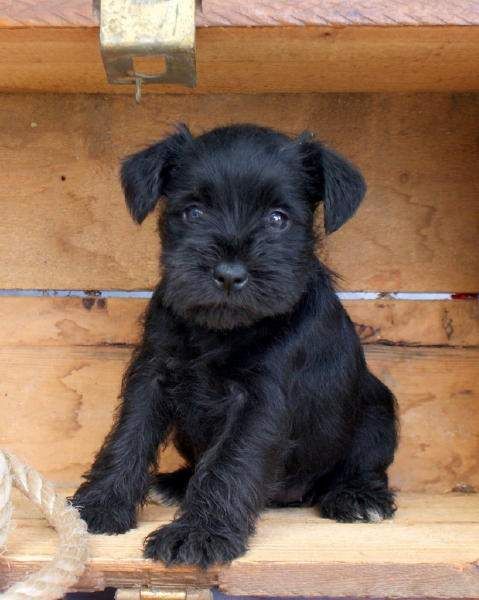

Black Miniature Schnauzer Puppy: Complete Care & Smart Buyer’s Guide
If you’re considering bringing home a black miniature schnauzer puppy, you’re eyeing one of the most charming, intelligent, and family-friendly small breeds around. Mini schnauzers are known for their alert expressions, bright minds, and famously low-shedding coats. In this guide, you’ll learn about temperament, training, grooming, health, nutrition, and how to find a reputable breeder. We’ll also compare the popular white schnauzer puppy color variety so you can decide which is right for you.
Why Choose a Black Miniature Schnauzer?
Personality & temperament: Mini schnauzers are confident, affectionate, and very people-oriented. A well-socialized black miniature schnauzer puppy is typically playful with children, curious with visitors, and eager to please during training. Expect a watchdog’s alertness—mini schnauzers may bark to announce guests—but they respond well to guidance.
Size & lifestyle fit: Most minis weigh 11–20 lbs (5–9 kg) as adults. They adapt well to apartments and houses alike, needing daily play and a couple of brisk walks. Their moderate energy level makes them perfect for active families, singles, or retirees who want a lively companion without marathon exercise requirements.
Hypoallergenic appeal: While no dog is truly hypoallergenic, miniature schnauzers’ wiry double coat sheds minimally, which many allergy-sensitive owners appreciate.
Black vs. White Schnauzer Puppy: Is There a Difference?
Color doesn’t change a dog’s heart—but it can affect appearance and coat care details.
-
Black miniature schnauzer puppy: A solid, glossy black coat that looks sleek and classic. Black coats may highlight dust and dandruff more visibly, so consistent brushing keeps that shine.
-
White schnauzer puppy: A crisp, bright coat with a striking beard and eyebrows. Whites can show stains more easily around the muzzle and paws, so owners often use whitening shampoos and regular face wipes.
In both varieties, the temperament, trainability, and exercise needs remain the same. Choose the color that makes you smile every time you look at your pup.
Training Your Mini Schnauzer the Smart Way
Mini schnauzers are quick studies. Start with these basics as soon as your black miniature schnauzer puppy arrives:
-
Name recognition & recall: Reward eye contact and “come” from day one. Keep it fun and frequent.
-
Crate & potty training: A predictable schedule, immediate praise for outdoor success, and a safe, cozy crate make housebreaking smoother.
-
Leash manners: Short, upbeat sessions prevent pulling habits from forming.
-
Early socialization: Meet friendly dogs, people, and environments. Calm exposure builds confidence and reduces barkiness.
-
Mental enrichment: Puzzle feeders, hide-and-seek games, and short obedience sessions prevent boredom (and mischievous beard-powered adventures).
Positive reinforcement—treats, toys, and praise—works best. Mini schnauzers love to “work” and will show off their brains when rewarded consistently.
Grooming: Keep That Signature Schnauzer Look
Whether you prefer a hand-stripped, show-style coat or an easy pet clip, plan on regular grooming. For both a black miniature schnauzer puppy and a white schnauzer puppy:
-
Brushing: 2–3 times per week with a slicker brush and metal comb to prevent tangles in the beard, legs, and furnishings.
-
Bathing: Every 3–4 weeks (or as needed). Use a gentle, dog-safe shampoo; whitening formulas can help white coats, while shine-enhancing formulas flatter black coats.
-
Professional grooming: Every 6–8 weeks for clipping or hand-stripping, plus sanitary trim and ear tidying.
-
Face care: Wipe the beard after meals to reduce staining and odor.
-
Nails, ears, teeth: Trim nails every 2–3 weeks, check ears weekly, and brush teeth daily if possible—mini schnauzers are prone to tartar.
Health & Nutrition Essentials
Reputable breeders screen for common concerns seen in the breed. As with any dog, keep up with vet exams and vaccinations, and maintain a healthy weight.
-
Diet: Feed a complete, balanced puppy formula appropriate for small breeds. Divide meals into 3–4 feedings daily at first, then taper to 2 as your puppy matures.
-
Treats: Use small, high-value treats for training and subtract them from daily calories to avoid overfeeding.
-
Exercise: Aim for 45–60 minutes of combined walks, play, and brain games daily for young minis—adjust for age and weather.
-
Insurance: Consider pet insurance to help manage unexpected vet costs.
If you want a quick overview on general pet-care topics, you can search trusted sources via Google.
Finding a Reputable Mini Schnauzer Breeder
Choosing the right breeder matters as much as choosing the right color. Look for:
-
Health testing & transparency: Ask about health screenings, genetic tests, and vet records.
-
Home socialization: Puppies raised in a clean, stimulating environment tend to adjust better to new homes.
-
Contracts & support: Ethical breeders provide written contracts, health guarantees, and lifetime advice.
To explore upcoming litters, adoption guidance, and care resources, start with a trusted specialist: Schnauzer Puppy Breeder. This is a helpful first stop when you’re researching availability, application steps, and what to expect when bringing your puppy home.
Preparing Your Home
Before your black miniature schnauzer puppy arrives:
-
Puppy-proof rooms: Secure cords, shoes, trash, and small objects.
-
Create zones: A crate or playpen for rest, a feeding station, and a potty area outdoors.
-
Starter kit: Adjustable harness, leash, ID tag, food and water bowls, puppy food, treats, grooming tools (slicker brush, comb, nail trimmer), chew toys, puzzle toys, and stain/odor remover.
-
Routine: Set consistent feeding, potty, and play times—the secret to smooth transitions.
Life With a Mini Schnauzer: What to Expect
You’ll enjoy a loyal shadow that follows you from room to room. Minis are expressive communicators and love being part of family activities. With routine training, they grow into polite companions who are equally happy hiking a nature trail or curling up on the couch. Their sharp minds thrive on novelty, so rotate toys and teach new tricks regularly.
FAQ: Quick Answers for New Owners
How much exercise does a black miniature schnauzer puppy need?
Short, frequent play sessions plus two brief walks per day are ideal for developing bodies. Increase gradually as your puppy grows.
Are minis good with kids and other pets?
Yes—when socialized early and supervised. Teach children to respect boundaries, and introduce other pets slowly.
What’s the grooming schedule?
Brush several times weekly and plan professional grooming every 6–8 weeks to keep the trademark schnauzer outline tidy.
Does color affect health or temperament?
No. A white schnauzer puppy and a black one share the same breed traits. Focus on breeder ethics and health testing.
Final Takeaway
A black miniature schnauzer puppy blends brains, heart, and style in a compact, low-shedding package. With positive training, consistent grooming, and thoughtful socialization, your mini schnauzer will become the spirited best friend you’ve been hoping for. Ready to take the next step? Explore reputable options and guidance at Schnauzer Puppy Breeder, and use Google to deepen your research on training methods, grooming techniques, and local veterinary care.




Reviews
There are no reviews yet.